Nanaji Deshmukh Veterinary Science University, Jabalpur
The Directorate of Research Services was established on 3rd November, 2009, as a constituent unit along with the inception of Nanaji Deshmukh Veterinary Science University.
The mission of Directorate is to undertake, coordinate and implement research activities to enhance productivity and sustainability of livestock, poultry and fisheries for the benefit of rural livelihood in the state of Madhya Pradesh.
To design and develop research schemes for formulation of need-based and field oriented research projects in various disciplines of Veterinary and Animal Sciences.
To plan, coordinate and implement the research programmes for the improvement of livestock, poultry and fisheries in Madhya Pradesh.
To generate financial support from central and state funding agencies for development of infrastructure and implementation of research activities.
To develop effective research linkages with State, National and International organizations for technology exchange and entrepreneurship development.
| Cadre | Post / Position | Sanctioned | Filled |
|---|---|---|---|
| Technical | Director Research Services | 1 | 0 |
| Technical | Deputy Director Research | 2 | 2 |
| Technical | Technical Officer | 1 | 1 |
| Non-Technical | PS to DRS | 1 | 0 |
| Non-Technical | Junior Stenographer | 1 | 1 |
| Non-Technical | Steno-typist Grade III | 2 | 2 |
| Non-Technical | Peon | 2 | 1 |
| Total | 10 | 7 | |
I/c, Director Research Services
Deputy Director Research / Associate Professor
Deputy Director Research / Associate Professor
Technical Officer / Assistant Professor
A total of 57 externally funded and 14 institutional research schemes with a financial outlay of Rs. 3699.84 lakhs are in operation at the university during 2025-26.
| S.No. | Title of Project | Name of Funding Agency | Name of PI | Budget (In Lakh) |
|---|---|---|---|---|
| 1 | Establishment of AI training institute at the NDVSU | RGM | Dr. Akshay Garg | 448.30 |
| 2 | Anatomical and radiographic study on freshwater turtles of M.P. region | PCCF (CAMPA) | Dr. Rakesh Kumar Barhaiya | 10.30 |
| 3 | Strengthening the rescue facility for scheduled wild animals of M.P. | PCCF (CAMPA) | Dr. Amol Rokde | 11.00 |
| 4 | Application of forensic entomology in death investigation of wild animal | PCCF (CAMPA) | Dr. K.P. Singh | 22.10 |
| 5 | Screening of morbid samples for canine distemper virus and canine adeno virus infection in wild carnivores | PCCF (CAMPA) | Dr. Nidhi Rajput | 9.35 |
| 6 | Studies on the Health, welfare, human interface and population management of non-human primates (Duration 2 Years) | PCCF (CAMPA) | Dr. Somesh Singh | 21.79 |
| 7 | Monitoring the anthropogenic and environmental impacts on the status, health and ethology of wetland birds with special reference to restoration of wetland habitats (Duration 2 Years) | PCCF (CAMPA) | Dr. Somesh Singh | 9.68 |
| 8 | Optimizing Superior Buck use in Up-gradation of Non-Descript Goats with Seasonal Fertility Investigation and Semen Cryopreservation | NLM | Dr. G.K. Mishra | 225.94 |
| 9 | Performance Appraisal of Large White Yorkshire Crossbred Pigs of Two Exotic Inheritance and Characterization of Local Pigs of Mahakaushal Region of Madhya Pradesh | NLM | Dr. Biswajit Roy | 185.37 |
| 10 | Tick control practice and survey of Acaricide Resistance in cattle tick Rhipicephalus (Boophilus) microplus and Hyalomma anatolicum in selected areas of Rewa district of MP. | MPCST, Bhopal | Dr. Rinesh Kumar | 5.48 |
| 11 | Screening of cattle and buffalo breeding bulls for A1/A2 variant of Beta casein gene in M.P. State of India | MPCST, Bhopal | Dr. Mohan Singh Thakur | 8.60 |
| 12 | Evolving potential strategies for non-surgical contraception in male dogs | MPCST, Bhopal | Dr. S.N. Shukla | 9.95 |
| 13 | Study of Methicillin resistant Staphylococcus aureus in Bovine-Human Interface | MPCST, Bhopal | Dr. Neeraj Shrivastava | 5.25 |
| 14 | Study of Antimicrobial Resistance and Alternative therapy against beta lactamase producing Enterobacteriaceae group of bacteria in broilers and bovines in Rewa | MPCST, Bhopal | Dr. Arpita Shrivastava | 6.18 |
| 15 | Effect of herbal drugs on arsenic and mercury induced toxicity and cancer in Fishes | MPCST, Bhopal | Dr. Madhuri Sharma | 6.70 |
| 16 | Use of traditional ingredients to improve the functional value of meat product developed from Kadaknath | MPCST, Bhopal | Dr. N. K. Nayak | 8.60 |
| 17 | Epidemiological investigation of Brucellosis in Human and Animal population of Vindhya region of Madhya Pradesh | MPCST, Bhopal | Dr. Yogesh Chatur | 9.80 |
| 18 | Surveillance, Molecular Detection and Development Of diagnostic for Lumpy Skin Disease virus | MPCST, Bhopal | Dr. Vandana Gupta | 9.98 |
| 19 | Uncovering the genomic features and signatures of selection in Kadaknath poultry breed of Madhya Pradesh and its crosses Narmadanidhi and CARI-Shyama. | MPCST, Bhopal | Dr. Akansha Singh | 7.95 |
| 20 | Experimental and clinical evaluation of stromal vascular fraction for the treatment of degenerative diseases in animals | MPCST, Bhopal | Dr. P.D.S. Raghuvanshi | 9.68 |
| 21 | Milk micro RNA (miRNA) expression as a potential biomarker for early detection of bovine subclinical mastitis | MPCST, Bhopal | Dr. Aditya Mishra | 8.00 |
| 22 | Targeted selective treatment of haemonchus contortus via ocular mucus membrane assessment for socioeconomic upliftment of farmers | MPCST, Bhopal | Dr. Vivek Agrawal | 7.80 |
| 23 | Therapeutic efficacy of bacteriophage lysate cocktail as an alternate of antibiotics to control chronic mastitis in cattle | MPCST, Bhopal | Dr. Sanjay Shukla | 6.80 |
| 24 | Comparative Osteo-morpho-metrical studies on the skull of Wild Life Animals as an Aid in Wildlife Forensic | MP Forest Department/ MP Tiger Foundation Society | Dr. Devendra Podhade | 9.50 |
| 25 | Viral and Bacterial metagenomic analysis in feces of wild tigers of Madhya Pradesh | MP Forest Department/ MP Tiger Foundation Society | Dr. Kajal Jadav | 9.00 |
| 26 | Surveillance of Infectious diseases of wild animals of Pench Tiger Reserve | MP Forest Department | Dr. K. P. Singh | 9.00 |
| 27 | Centre for Wildlife Forensic & Health, NDVSU, Jabalpur | MP Forest Department | Director, SWF&H | 413.25 |
| 28 | Establishment of Laboratory for embalming of ethically sourced animals and museum up gradation | MANDI Board, Bhopal | Dr. Rakhi Vaish | 107.53 |
| 29 | Establishment of Diagnostic Facility for control of Infertility in farm animals | MANDI Board, Bhopal | Dr. G.K. Mishra | 205.00 |
| 30 | Establishment of Advance Diagnostic Toxicological Centre | MANDI Board, Bhopal | Dr. SM Tripathi | 255.00 |
| 31 | Limb Prosthesis in Indigenous Cattle of Madhya Pradesh | MANDI Board, Bhopal | Dr. Shobha Jawre | 217.99 |
| 32 | Formulation of Area Specific micronutrient supplements for prevention of common reproductive and metabolic disorders in dairy animals of Malwa region of M.P. | MANDI Board, Bhopal | Dr. Ashok Patil | 114.00 |
| 33 | Milk and Milk Product quality testing laboratory to ensure safety of Public health | MANDI Board, Bhopal | Dr. R.V. Singh | 215.00 |
| 34 | Optimizing the reproductive efficiency of dairy animals in Vindhya region of Madhya Pradesh by strengthening infrastructure for training on Artificial Insemination | MANDI Board, Bhopal | Dr. Deepak Ningwal | 164.50 |
| 35 | Establishment of Biosafety Level-2 Laboratory and Lab Animal Suite | MANDI Board, Bhopal | Dr. Neeraj Shrivastava | 324.80 |
| 36 | Strengthening of Veterinary Clinical Complex for Animal Disease Diagnosis and Treatment with Empowerment of Field Veterinary Professionals of the Madhya Pradesh | MANDI Board, Bhopal | Dr. Dhermandra Kumar | 137.50 |
| 37 | Survey, documentation of ITK and Phenotypic characterization of Non-descript breed of cattle in Narmadapuram division of M.P. | M.P. Biodiversity Board, Bhopal | Dr. Mohan Singh Thakur | 10.08 |
| 38 | Survey, Evaluation and Characterization of local goat of Vindhyachal Region | M.P. Biodiversity Board, Bhopal | Dr. Amit Kumar Jha | 9.20 |
| 39 | Molecular characterization of Mulki cattle of Betul district of MP | M.P. Biodiversity Board, Bhopal | Dr. Mohan Singh Thakur | 8.89 |
| 40 | TSP- Socio-economic up-liftment of tribal population of Jabalpur Division of Madhya Pradesh by sustainable livestock production system | ICAR, New Delhi | Dr. Hari R. | 8.00 |
| 41 | Farmers Empowerment through improved, integrated farming practices (Farmer's First) | ICAR, New Delhi | Dr. Hari R. | 12.00 |
| 42 | Outreach Programme on Monitoring of drug residues and environmental Pollutants | ICAR, New Delhi | Dr. K. Shrman | 0.95 |
| 43 | Outreach Programme on Ethno Veterinary Medicine | ICAR, New Delhi | Dr. Vidhi Gautam | 3.00 |
| 44 | AICRP on Development of suitable colour variety of birds for rural poultry production. | ICAR, New Delhi | Dr. Girraj Goyal | 92.52 |
| 45 | All India Co-ordinated Research Project on Pigs | ICAR, New Delhi | Dr. Biswajit Roy | 44.56 |
| 46 | Study on phenotypic characterization, Biometry and Management of local Goat population in M.P. districts of Seoni, Chhindwada and Balaghat | DST, SERB | Dr. Rajesh Vandre | 11.11 |
| 47 | Deciphering the functional role of TGF-beta superfamily members in corpus luteum of goat applying CRISPER cas9 in cultured caprine luteal cells. | DST, SERB | Dr. Tripti Jain | 29.78 |
| 48 | Study to understand the effect of selective pressure under various growth conditions on the antibiotic resistance pattern in reference to its reversal or increase in poultry isolate of ceftriaxone resistant non typhoid Salmonella (CR-NTS) mediated by plasmid mediated AmpC and ESBL genes | DST, SERB | Dr. Baleshwari Dixit | 28.00 |
| 49 | Development and validation of CRISPR/CAS12a-based point-of-care diagnostic platform for detecting Theileria annulata and Theileria orientalis in bovines and their tick vectors | DST- ANRF | Dr. Rupesh Verma | 46.35 |
| 50 | Creating awareness in PVTGs about the risk of zoonotic tuberculosis impacting the health of human and animals | DST | Dr. Yamini Verma | 51.85 |
| 51 | The combined effect of Quercetin and Platelet Rich Plasma in semen extender for improved antibacterial efficacy and membranes repairing potential of cryopreserved buck semen | DBT | Dr. Anil Gattani | 5.00 |
| 52 | Development of nucleic acid based nano biosensors for multiplexed point of care testing (xPOCT) of bacterial reproductive diseases in breeding cattle | DBT | Dr. Tripti Jain | 22.24 |
| 53 | Identification and Engineering of Immunodominant Capsid Epitopes of Inclusion Body Hepatitis Virus for the Development of ELISA and Lateral Flow–Based Diagnostic Assays | MPCST | Dr. Mohan Singh Thakur | 9.60 |
| 54 | Gastrointestinal parasitic survey including subclinical parasitism and Novel use of anthelmintics in Gaushalas in around Rewa, M.P. | MPCST | Dr. Alok Kumar Singh | 8.52 |
| 55 | Development and evaluation of area-specific mineral mixture for improving health and productivity of Nimari Cows | MPCST | Dr. Ashok Kumar Patil | 9.50 |
| 56 | A study to explore Animal fat based on Cardio-Metabolic parameters to suggest at fat source for Sustainable Health | MPCST | Dr. Pradeep Kumar Singh | 6.85 |
| 57 | Integrated comparative analysis of gross morphology, histomorphology and molecular profiles of muscles relating to meat quality in Kadaknath and white leghorn chickens | MPCST | Dr. Yogita Pandey | 9.73 |
| Total Outlay | 3657.84 | |||
Year 2025-26 to till date
| S. No. | Title of Project | Name of Funding Agency | Name of PI | Budget (In Lakh) |
|---|---|---|---|---|
| 1 | Leveraging ICT-Enabled, Local-Specific Audio-Visual Vlogs to address Knowledge gaps among livestock farmers | Institutional (NDVSU) | Dr. Ruchi Singh | 3.00 |
| 2 | Development of nucleic acid-based nano biosensors for point-of-care detection of bovine citrullinemia carriers in breeding cattle | Institutional (NDVSU) | Dr. Asit Jain | 3.00 |
| 3 | Field validation of a revolutionary colourimetric LAMP assay: Breaking diagnostic barriers to tackle the multi-billion rupee burden of caprine theileriosis | Institutional (NDVSU) | Dr. Vivek Agrawal | 3.00 |
| 4 | Exploration of neurotropic factors from animal by-products and their characterization | Institutional (NDVSU) | Dr. Serlene Tomar | 3.00 |
| 5 | Elucidating the effect of heat stress on expression profile of early implantation releated molecules in in-vitro cultured caprine uterine epithelial cells isolated using cytobrush technique | Institutional (NDVSU) | Dr. Sriti Pandey | 3.00 |
| 6 | Haemato-biochemical and mineral profiling in cattle and buffaloes and its correlation with fodder and soil mineral composition in the Vindhya region of MP | Institutional (NDVSU) | Dr. Aditya Agrawal | 3.00 |
| 7 | Surveillance and detection of a neglected zoonotic disease Q fever etiological agent Coxiella burnetii in bovines, goat and dogs | Institutional (NDVSU) | Dr. Anju Nayak | 3.00 |
| 8 | Development of a point-of-care recombinase polymerase amplification (RPA) assay for detection of anaplasma marginale in bovines | Institutional (NDVSU) | Dr. Suman Kumar | 3.00 |
| 9 | Diagnostic algorithms of canine cognitive dysfunction syndrome and its intersection with animal welfare | Institutional (NDVSU) | Dr. Amita Tiwari | 3.00 |
| 10 | Development and Evaluation of a Disposable vulvar protective barrier sheath to reduce contamination during artificial insemination in dairy animals (NDVUS Repro shield) | Institutional (NDVSU) | Dr. Pushkar Sharma | 3.00 |
| 11 | Environmental Surveillance of Antimicrobial Resistance Genes (ARGs) in Veterinary and Animal Husbandry, Effluents. | Institutional (NDVSU) | Dr. Revindra S. Tayde | 3.00 |
| 12 | Development and evaluation of Ery Gene based PCR and real time PCR for DIVA diagnosis of Brucellosis in Rewa district | Institutional (NDVSU) | Dr Ankush Kiran Niranjan | 3.00 |
| 13 | Patho-epidemiology and molecular characterization of porcine picorna viruses for effective management of piglet mortality | Institutional (NDVSU) | Dr Shailesh Kumar Patel | 3.00 |
| 14 | Preliminary development of isothermal amplification assays for inclusion body hepatitis virus detection in poultry | Institutional (NDVSU) | Dr. Bikash Ranjan Prusty | 3.00 |
| Total Amount (Rs. in Lakhs) | 42.00 | |||
Funding Agency: ICAR, New Delhi
Funding Agency: ICAR-DPR, Hyderabad
Funding Agency: ICAR, New Delhi
Funding Agency: ICAR, New Delhi
Funding Agency: ICAR, New Delhi
Funding Agency: UGC, New Delhi
Funding Agency: ICAR, New Delhi
Funding Agency: ICAR, New Delhi
Funding Agency: ICMR, Bhopal
Funding Agency: ICAR, New Delhi
Funding Agency: ICAR, New Delhi
Funding Agency: ICAR, New Delhi
Funding Agency: ICAR, New Delhi
Funding Agency: ICAR, New Delhi
Funding Agency: MPCST, Bhopal
Funding Agency: ICAR, New Delhi
Funding Agency: ICMR, Bhopal
Funding Agency: ICAR, New Delhi
Funding Agency: NARP (World Bank)
Funding Agency: NARP (World Bank)
Funding Agency: MPCST, Bhopal
Funding Agency: ICAR, New Delhi
Funding Agency: MPCST, Bhopal
Funding Agency: MPCST, Bhopal
Funding Agency: NDDB, Karnal, Hariyana
Funding Agency: ICAR, New Delhi
Funding Agency: Indo-US collaborative project
Funding Agency: ICAR, New Delhi
Funding Agency: Wildlife Institute of India, Dehradun
Funding Agency: ICAR, New Delhi
Funding Agency: CDRI, Lucknow
Funding Agency: MPCST, Bhopal
Funding Agency: ICAR, New Delhi
Funding Agency: ICAR, New Delhi
Funding Agency: ICAR, New Delhi
Funding Agency: State Forest Department, Govt. of Bhopal
Funding Agency: ICAR, New Delhi
Funding Agency: ICAR, New Delhi
Funding Agency: ICAR, New Delhi
Funding Agency: ICAR, New Delhi
Funding Agency: NATP
Funding Agency: ICAR, New Delhi
Funding Agency: ICAR, New Delhi
Funding Agency: State Forest Department, Govt. of Bhopal
Funding Agency: ICAR, New Delhi
Funding Agency: ICAR, New Delhi
Funding Agency: DBT, New Delhi
Funding Agency: ICAR, New Delhi
Funding Agency: ICAR, New Delhi
Funding Agency: M.P. Rural Livelihood Project, Govt. of Bhopal
Funding Agency: MPCST, Bhopal
Funding Agency: ICAR, New Delhi
Funding Agency: M.P. Rural Livelihood Project, Govt. of Bhopal
Funding Agency: World Noni Research Foundation, Chennai, Tamil Nadu
Funding Agency: Central Council for Research in Ayurveda and Siddha, New Delhi
Funding Agency: National Innovation Foundation, Ahmedabad
Funding Agency: ICAR, New Delhi
Funding Agency: ICAR, New Delhi
Funding Agency: RKVY, Bhopal
Funding Agency: RKVY, Bhopal
Funding Agency: RKVY, Bhopal
Funding Agency: Central Council for Research in Ayurveda and Siddha, New Delhi
Funding Agency: RKVY, Bhopal
Funding Agency: RKVY, Bhopal
Funding Agency: National Innovation Foundation, Ahmedabad
Funding Agency: RKVY, Bhopal
Funding Agency: RKVY, Bhopal
Funding Agency: MPCST, Bhopal
Funding Agency: MPCST, Bhopal
Funding Agency: MPCST, Bhopal
Funding Agency: DBT, New Delhi
Funding Agency: RKVY, Bhopal
Funding Agency: MPCST, Bhopal
Funding Agency: MPCST, Bhopal
Funding Agency: RKVY, Bhopal
Funding Agency: ICAR, New Delhi
Funding Agency: MP Biodiversity Board, Bhopal
Funding Agency: ICAR, New Delhi
Funding Agency: RKVY, Bhopal
Funding Agency: MPCST, Bhopal
Funding Agency: State Forest Department, Govt. of Bhopal
Funding Agency: RKVY, Bhopal
Funding Agency: RKVY, Bhopal
Funding Agency: World Noni Research Foundation, Chennai, Tamil Nadu
Funding Agency: MPCST, Bhopal
Funding Agency: MPCST, Bhopal
Funding Agency: State Forest Department, Govt. of Bhopal
Funding Agency: RKVY, Bhopal
Funding Agency: RKVY, Bhopal
Funding Agency: ICAR, New Delhi
Funding Agency: RKVY, Bhopal
Funding Agency: MANDI Board, Bhopal
Funding Agency: State Forest Department, Govt. of Bhopal
Funding Agency: MPCST, Bhopal
Funding Agency: MPCST, Bhopal
Funding Agency: MPCST, Bhopal
Funding Agency: MPCST, Bhopal
Funding Agency: MPCST, Bhopal
Funding Agency: State Forest Department, Govt. of Bhopal
Funding Agency: MANDI Board, Bhopal
Funding Agency: MPCST, Bhopal
Funding Agency: MPCST, Bhopal
Funding Agency: State Forest Department, Govt. of Bhopal
Funding Agency: MANDI Board, Bhopal
Funding Agency: MP Biodiversity Board, Bhopal
Funding Agency: MPCST, Bhopal
Funding Agency: ICAR, New Delhi
Funding Agency: MPCST, Bhopal
Funding Agency: State Forest Department, Govt. of Bhopal
Funding Agency: DBT, New Delhi
Funding Agency: MP Forest Department/APCCF
Funding Agency: State Forest Department, Govt. of Bhopal
Funding Agency: MANDI Board, Bhopal
Funding Agency: DBT, New Delhi
Funding Agency: MPCST, Bhopal
Funding Agency: MPCST, Bhopal
Funding Agency: MPCST, Bhopal
Funding Agency: MPCST, Bhopal
Funding Agency: MPCST, Bhopal
Funding Agency: MPCST, Bhopal
Funding Agency: DST, New Delhi
Funding Agency: NBAGR Institutional Project
Funding Agency: NBAGR Institutional Project
Funding Agency: ICAR, New Delhi
Funding Agency: MANDI Board, Bhopal
Funding Agency: MPCST, Bhopal
Funding Agency: MANDI Board, Bhopal
Funding Agency: MP Forest Department/APCCF
Funding Agency: State Forest Department, Govt. of Bhopal
Funding Agency: DST, New Delhi
Funding Agency: DBT, New Delhi
Funding Agency: ICAR, New Delhi
Funding Agency: State Forest Department, Govt. of Bhopal
Well equipped and modern laboratories have been established in different departments from the funds available from various externally funded research projects. This provides assistance in conducting quality research at post graduate and doctoral level. Many students are conducting their masters and doctoral thesis under research projects sanctioned by the externally funded projects. Articles published from these research activities contribute to the academic biodata of master students as well as faculty members.
The following technologies have been developed by the university from the year 2023 to 2026.
A1/A2 variants of β-casein gene in cattle and buffalo breeding bulls have been determined. A total 335 semen samples of cattle (Gir-42, Sahiwal-61, Tharparkar-30, Jersey-33, HF-25, Crossbred-42 and buffalo (Murrah-64, Bhadawari-38) were collected from the Central Semen Station, Bhopal, Regional Semen Station, Jabalpur and AI Centres from different regions of M.P. The molecular characterization of β-casein gene for A1/A2 variants in cattle and buffalo bulls was done by PCR-RFLP technique using β-casein gene specific primer. All the screened samples of Gir, Sahiwal, Tharparkar, HF, crossbred, Jersey and Murrah buffalo showed monomorphic pattern of 251 bp (i.e. A2A2 genotype) with 100 per cent A2 allele, while A1 allele was found absent in the all screened samples of cattle and buffaloes.
For self sustainability of Goshalas, cows from goshalas were used as serogate mother for the production of Sahiwal calves of high genetic merit by implanting multiple ovulation and embryo transfer (MOET). Donor Sahiwal animals were super ovulated and both donor as well as recipient animal were reproductively synchronized. Once the donor was super-ovulated they were inseminated with normal/sex sorted semen of bull of Sahiwal breed having high genetic merit obtained from ULDB, Uttarakhand. After insemination the donor animals, were flushed for collection of embryos, post 7 days of insemination. The flushed embryos were checked for the quality and graded in-vitro. Good quality and live embryos were then transferred to the recipient non-descript female animals obtained from Goshalas. The recipient animals were kept under constant observation and scientific rearing method. The pregnancy is checked after three months of embryos transfer. A total 10 calves comprising of 7 female and 03 male were born.
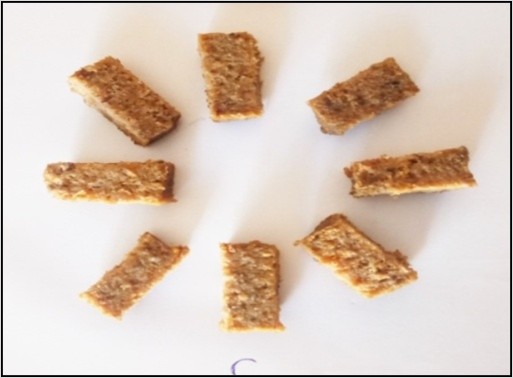
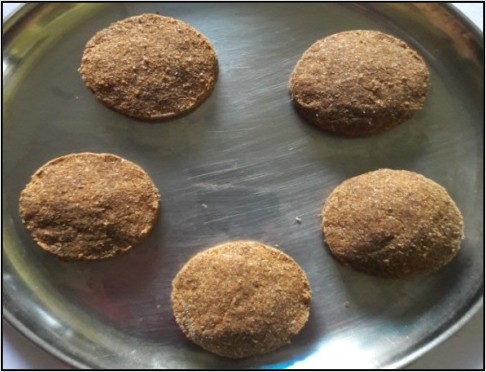
University faculty has developed low fat functional Kadaknath cookies and low fat Kadaknath chicken nuggets have been developed using carrageenan as fat replacer. Low fat nuggets were prepared by incorporation of three different levels of carrageenan by replacing added fat. Results No significant (P>0.05) difference in the protein content of carrageenan added Kadaknath chicken nuggets was noticed. However, carrageenan added low fat Kadaknath chicken nuggets had significantly (P<0.05) lower fat content compared to control. Overall acceptability revealed that there was significant (P<0.05) variation among different carrageenan incorporated low fat Kadaknath chicken nuggets. On the basis of physico-chemical properties, texture profile analysis and finally sensory evaluation, nuggets incorporated with 0.5 % carrageenan were found superior and most acceptable by the sensory panelists and finally selected as low fat Kadaknath chicken nuggets.
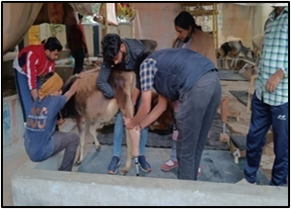
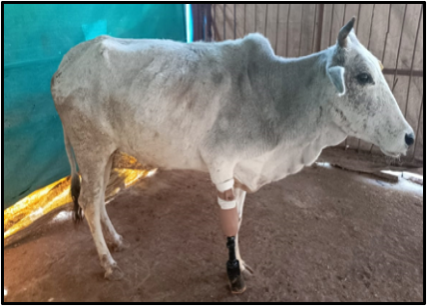
The investigators of the project surveyed the occurrence of musculoskeletal, neurological and other disabilities in cattle and prepared the prosthetics and orthotics module to restore the normal functional and productive health status of cattle by using the plaster moulds for prosthetic legs and took measurements of amputed limbs along with biomechanics of joint movements. Till now, six prosthetic legs have been prepared and used for two male calves, three heifers and one cow
The non-descript cattle population in the Narmadapuram division is commonly known as Mulki in all areas of the Betul district, and also as Khamli cow in the Kukru and Khamla areas of Bhainsdehi tehsil of the Betul district. In Harda and Narmadapuram divisions of Madhya Pradesh, it is known as desi or local. The animals of the non-descript cattle population have small size and compact body, the main coat colours of animals are red, light brown, and light grey but some mixed colours (i.e. roan) animals are also observed. The socioeconomic status of farmers is poor to average in most survey areas and animals mainly depend on grazing, bhusa, grass or local weeds are fed to the animals around the year, depending upon their availability. The average daily milk yield was 1.65±0.13 kg, the peak milk yield was 1.75±0.16 kg, and the total milk yield per lactation was 535.72±6.42 kg. The lactation period was 242.50±8.25 days, while the drying period was 165.80±8.19 days. One of the important achievements of the project is that the breed descriptor and an application for registration of “Mulki Cattle” has been submitted to ICAR-NBAGR, Karnal.
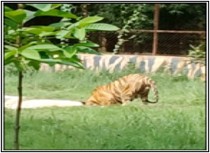
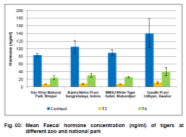
A pregnancy diagnosis protocol has been standardized in female tigers (Pantheratigris) through non-invasive technique. A total number of forty-four tigers (Pantheratigris) housed at four different Zoo and National Park of Madhya Pradesh (Mukundpur White Tiger Safari, Satna, Van Vihar National Park Bhopal, Kamla Nehru Prani Sangrahalaya, Indore and Gandhi Prani Udhyan, Gwalior) were taken for investigation. The stereotypic behavior and faecal cortisol level in relation to biological factors in tigers provides a comprehensive analysis of the extent of stereotypic behavior in tigers, considering various biological factors within a sample size of 44. The study suggested that captive tigers should be provided with multiple exploring and resting sites throughout the enclosure to maximize the total use of available space and to entice timid animals closer to public view. This may be especially important for older animals, which spend even more time at rest and an association was observed indicating a positive correlation between increased fecal cortisol levels and the occurrence of stereotypic behaviors in tigers. This implies a potential connection between the stress response, as gauged by cortisol levels and the manifestation of stereotypic behaviors in these animals. Keeper attitude is an important factor to reduce stereotypes and stress in tigers and thus keepers should be scientifically trained and counseled for better upkeep of tigers in captivity.
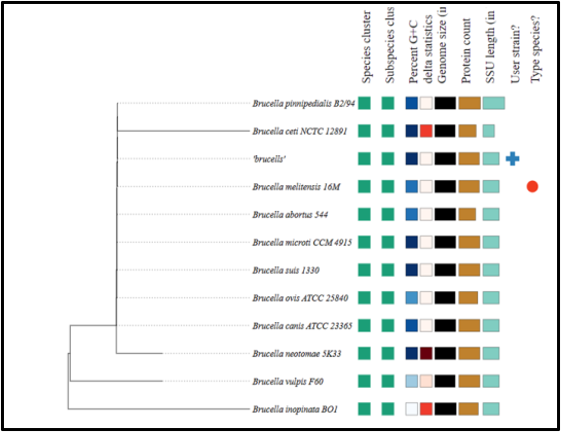
The epidemiological investigation of Brucellosis in animal and human population of Vindhya region (District: Rewa, Satna, Sidhi, Shahdol) of Madhya Pradesh with conventional and rapid molecular tools was done by the the investigators. Brucella melitensis using PubMLST has been identified. Genome annotation using Prokka identified 28 contigs with total 3285451 bases. A total of 3128 complete DNA sequences were identified with 3rRNA, 49 tRNA and 1tmRNA. The two chromosomes I and II were observed with 2109816 bp and 1182444 bp, respectively.Genome-based classification and identification using Type (strain) Genome Server identified the closest match with Brucella melitensis strain 16M. The WGS sequence of Brucella melitensis SVSG strain is the first sequence of Brucella spp. from Madhya Pradesh and submitted in NCBI with Accession no.: JBDLWR000000000
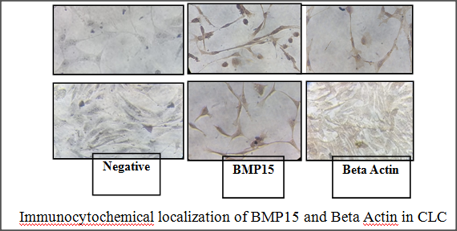
University faculty has done the bioinformatics analysis of GDF-9 offers valuable insights into its structural and functional roles in goat reproduction. The subcellular localization predicted GDF-9 as an extracellular, soluble protein. Pro-mature and mature form TGF-β superfamily members protein expression in different stages of goat CL including different pregnant stages (<45 days) of CL, follicular stages, follicular fluids, different time points during CLC culture in cells as well as spent media corroborated the significance of TGFB signaling in goat corpus luteum. Evidence of BMP15 expression was further substantiated byimmunolocalization of BMP15 in CLC culture. Progesterone concentration displayed a decreasing trend upto 6th day of culture during in-vitro culturing. Higher progesterone level was detected during LH supplemented CLC culture as compared to without LH media. Substantial expression of BMPR2, TGFBR1 and SMAD4 genes was displayed in corpus luteum of cyclic and pregnant goat inferring significance of TGF-β signaling in goat corpus luteum. Expression of TGF-β superfamily members, receptors and signaling molecule in same cell is indicative of autocrine signaling. Designing and validation of highly efficient gRNA constructs to study knockout effect of GDF-9 and BMP-15 in in vitro cell culture model in goat which will be applicable to study functional role of TGF-β members in luteal, granulosa cell and oocyte in goat as well as other ruminant species. Preparation of HDR donor for knockout enrichment experiment in GDF9 and BMP15. In vitro screening of SgRNAs (individually and paired SgRNA combination) revealed very high cleavage efficiency of all the 4 gRNAs designed 2 each for editing GDF9 and BMP15 gene. For GDF9 gene knockout paired gRNA as well as SgRNA G2 strategy worked well. GDF9 knockout displayed genomic cleavage in GeneART genomic cleavage detection kit, indels on sequencing around cut site and decreased number of transcripts detection in real time PCR. For BMP15 KO, SgRNA B2L2 (1:2 Cas9-SgRNA molar ratio) displayed visible genomic cleavage and indels by sequencing to confirm CRISPR Cas9 mediated BMP15 editing in CLC. On transcriptome profiling, Raw data: 13,404,986 reads (4.05 Gb); post-filtering: 12,299,129 HQ reads (3.55 Gb, ~92% retention) were obtained. Mapping rate: 94.36%, indicated high-quality alignment for downstream analysis. Further analysis will be done after getting transcriptome profile data from control and other samples.
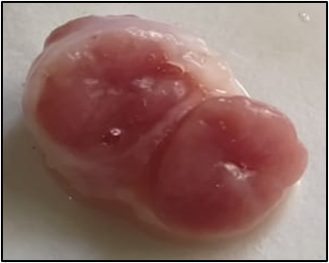
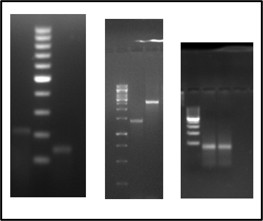
University faculty investigated and reported the John’s disease in bovines. A total number of 203 milk samples of cows and buffaloes were collected for study in which 131 samples (64.53%) were positive for presence of antibodies against Paratuberculosis. The percent positivity for MAP infection was recorded higher in cows (69.90%) than buffaloes (59%). Higher positivity was found at unorganized farms (65.38%) as compared to organized farms (63.01%). A total of 21 samples (13 from cows and 8 from buffaloes) were stained by Ziehl–Neelsen staining. Milk samples detected positive for acid fast organisms in microscopy were further used in Paratuberculosis specific PCR.
The University faculty explored the phenotypic characterization, biometry and management of local goats in the targeted area of project i.e. Seoni, Chhindwada and Balaghat districts of Madhya Pradesh. The survey of Mahakaushali goat population has been conducted at the targeted area within all districts.White, black, light brown and mixed coat colour variants are found in Mahakaushali goat population. Mixed colour goats are found in the highest number. All animals in the Mahakaushali goat have medium-sized drooping (Vertical) ears. The Mahakaushali goat is not closely related to other documented breeds.
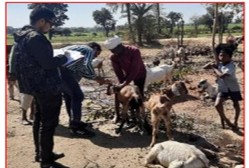
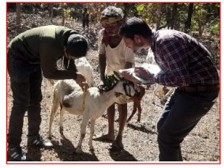
The investigators have developed a method for detection of lumpy skin disease virus using singlex PCR and its differentiation from related virus using multiplex PCR and determined the immune-dominant proteins of LSD Virus. Sample collection and screening of samples was done from different districts of Madhya Pradesh viz. Ratlam, Mandsaur and Jabalpur. Around 134 samples were collected which includes 56 blood samples, 56 serum samples, 13 swab samples and 09 tissue sample. Sequencing of 08 sample for P32 gene and 04 samples for Fusion gene was done. On molecular screening for P32 and Fusion Gene 09 samples were found positive with 11.53% positivity rate. LSDV was not detected from any of the blood samples.
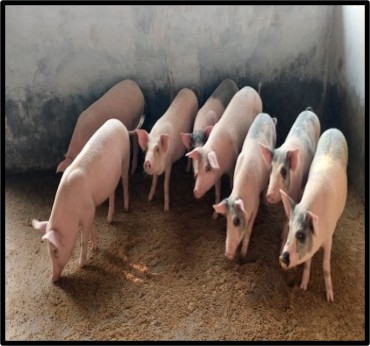
The University purchased the purebred large white Yorkshire from TNUVAS. 75% crossbred of large white Yorkshire piglet production in going on. Characterization of local non-descript pigs –survey finished in two tribal districts of Mahakaushal region of Madhya Pradesh. Performance evaluation of 75% crossbred of large white Yorkshire pigs to be done along with existing 50% crossbred of large white Yorkshire pigs. Best performing crossbred pigs will be documented. Characterization of local non-descript pigs population exist in the region.
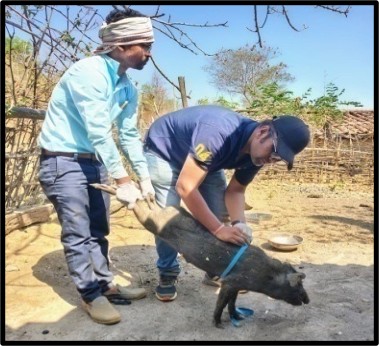
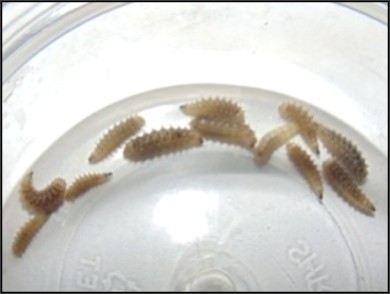
The investigators developed then standard protocols for routine diagnosis of maggots pertaining to identification and their role in calculation of elapse time of death of the animal, area species and succession waves etc. Subsequently, DNA characterization of tegument of maggots collected in the Silica gel were analyzed through NCBI using COI gene expression to evaluate potentials of Entomology in wildlife forensics. Anterior and posterior spiracles and their advance stages were observed for identification of instars stage and their importance on species identifications. Molecular characterization showed at least 4-5 types of blow fly species are prevalent in and around the Tiger reserves of M.P. Even retrieval of host DNA was also encountered to ease the presence of animals feed upon carcass during elapse time calculation.
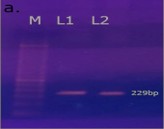
The project is amied to explore signatures of selection in Kadaknath, Narmada-Nidhi and CARI-Shyama. A total number of 15 Kadakanth, and 5 Narmada-Nidhi, were collected from the poultry farm, Nanaji Deshmukh Veterinary Science University, Jabalpur. 5 blood samples were collected from CARI-Shyama breed reared in Central Avian Research Centre, Bareilly, U.P. The genomic DNA for each sample was extracted using DNA isolation kit (Qiazen TM). The quantity of each sample was checked by Nanodrop and Spectrophotometer. The DNA samples will be amplified using PCR and was quality checked using agarose electrophoresis. The good quality DNA samples have been sent to Sci Genome Company for whole genome sequencing
The Univerisity researchers have identified the most appropriate 16S rRNA hypervariable regions for genus specific probes for Leptospira, Listeria, Mycoplasma, Brucella and Campylobacter on the way to develop nucleic acid based Nano biosensors for multiplexed point of care testing (xPOCT) of bacterial reproductive diseases in breeding Cattle. The have found Chelex based DNA extraction , which could be promising as field applicable rapid nucleic acid extraction method and consistently performed with all the spiked biological sample (swab, semen, urine and placenta) resulting in successful amplification of 1.46kb long 16S rRNA gene suggesting integrity and good quality of DNA without any PCR inhibitors. Sequence analysis of 16S rRNA gene revealed existence of highly conserved, variable, and hypervariable regions having universal as well as genus- and/or species-specific signatures to enable accurate identification of major bacterial reproductive disease pathogens. Universal and Brucella genus-specific primer sets for 16S rRNA gene has been designed for integrity checks, recovery efficiency, and diagnostic assay developmentto check status of different biological samples for presence of bacteria.
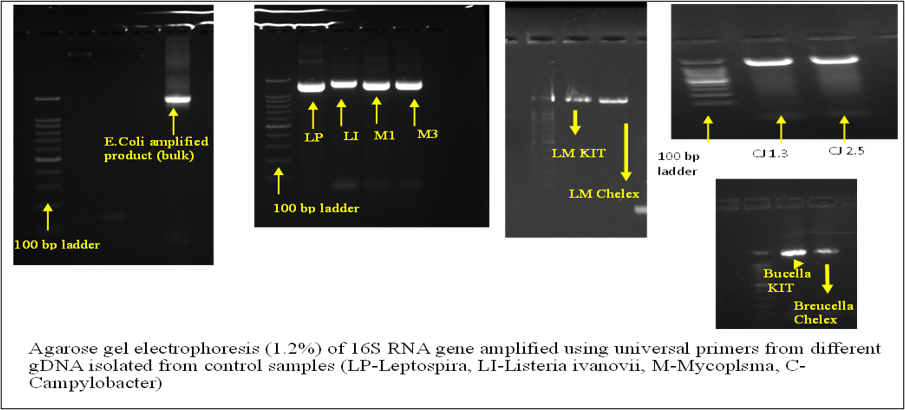
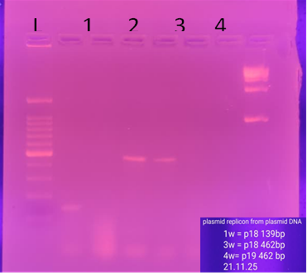
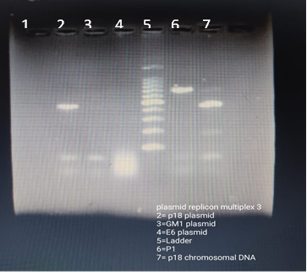
The faculty of University has detected the antibiotic sensitivity pattern of the Salmonella isolates to study the antibiotic resistance pattern in reference to its reversal or increase in poultry isolateof ceftriaxone resistance in non typhoid Salmonella (CR-NTS) mediated by plasmid mediated AmpC and ESBL gene. The study indicated that antibiotic tolerance or temporary resistance occurs on exposure to antibiotic in the absence of AMR gene it also varies in different strains as well as different environmental conditions, particularly the pH and bile salt concentration. Reversal of AMR was also detected in Salmonella on removal of antibiotics and other selection pressure conditions, while in E.coli we didn’t detect any reversa
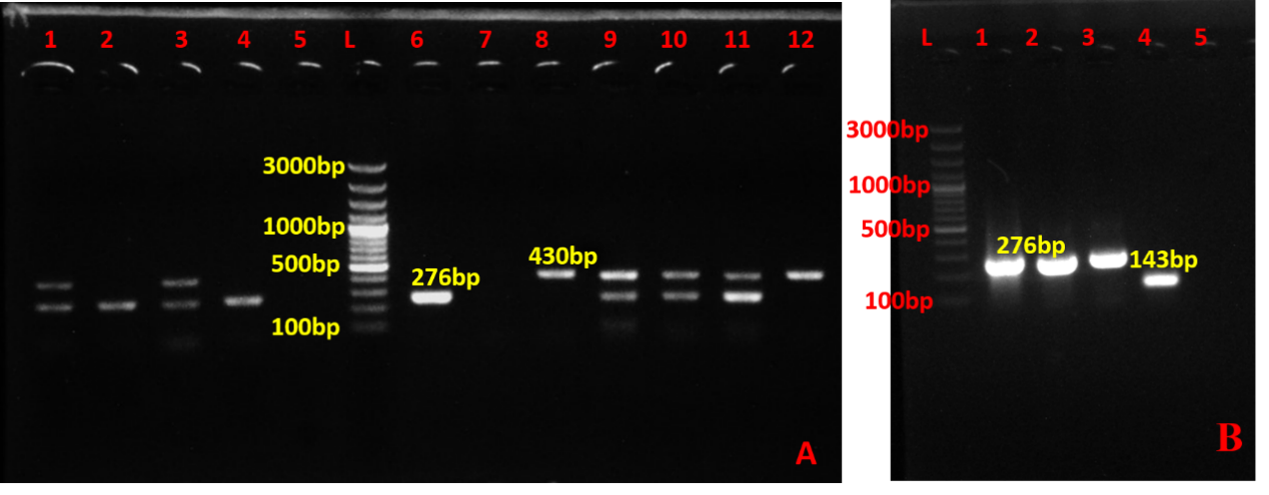
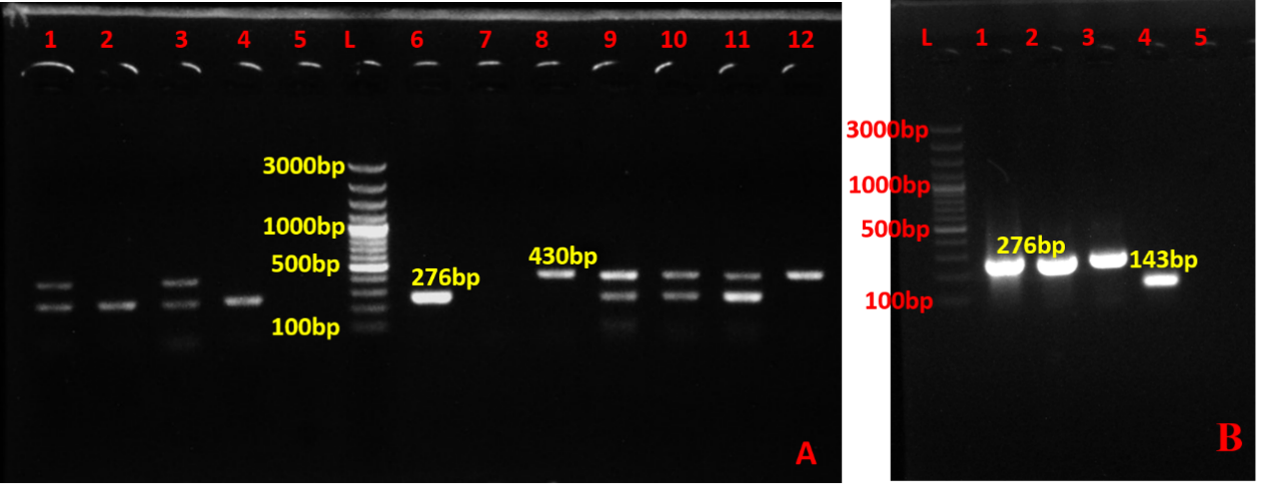
The investigators developed a CRISPR/Cas12a-based rapid diagnostic platform for the detection of Theileria annulata and Theileria orientalis in bovines and their tick vectors. Molecular detection using PCR showed significantly higher sensitivity (62.54%) compared to microscopy (30.93%) for detection of bovine theileriosis. Theileria orientalis was found to be more prevalent (54.98%) than T. annulata (7.56%) in bovines of the Mahakaushal region of Madhya Pradesh. Duplex PCR assay was successfully standardized for simultaneous detection of both T. annulata and T. orientalis, reducing detection time from approximately 2 hours to 1 hour. A rapid NaOH-based DNA extraction method was evaluated and showed comparable performance to the commercial extraction kit, with processing time reduced to nearly 15 minutes. Preliminary RPA assay successfully amplified the target gene of T. annulata (276 bp), indicating its potential for development of a rapid field-level diagnostic assay.
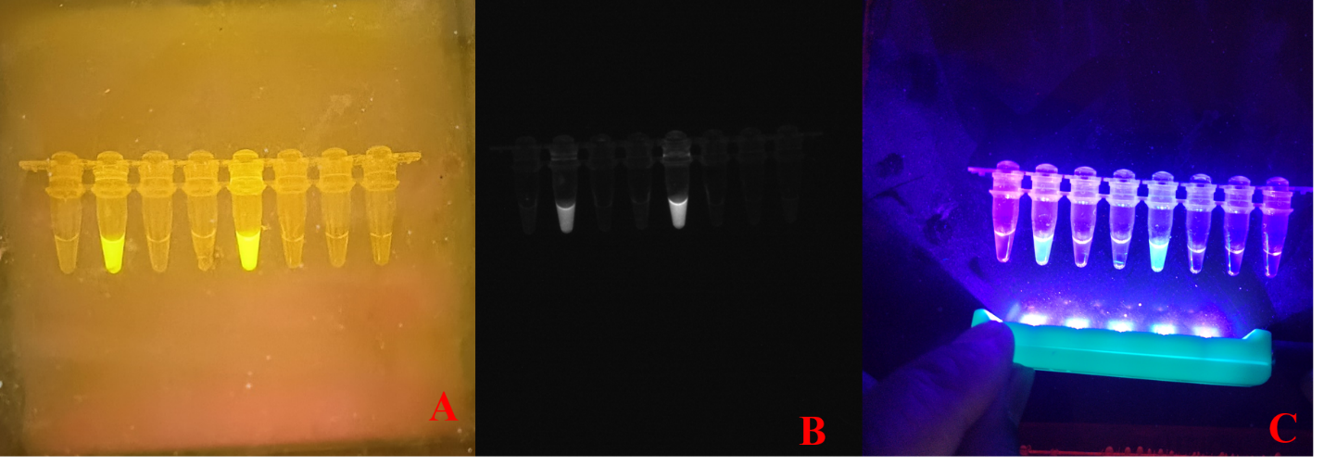
(A) Positive RPA tube of T. annulata samples showing green fluorescence under UV light using a standard gel documentation system.
(B) Captured image using a standard gel documentation system.
(C) Positive RPA tube visualized using a low-cost, in-house portable UV light system
The University investigators studied the temporal expression profile of TGF-β superfamily members in corpus luteum and in caprine luteal cell culture. Bioinformatics analysis of GDF-9 offers valuable insights into its structural and functional roles in goat reproduction. The subcellular localization predicted GDF-9 as an extracellular, soluble protein. Pro-mature and mature form TGF-β superfamily members protein expression in different stages of goat CL including different pregnant stages (<45 days) of CL, follicular stages, follicular fluids, different time points during CLC culture in cells as well as spent media corroborated the significance of TGFB signaling in goat corpus luteum. Evidence of BMP15 expression was further substantiated by immunolocalization of BMP15 in CLC culture. Designing and validation of highly efficient gRNA constructs to study knockout effect of GDF-9 and BMP-15 in in vitro cell culture model in goat which will be applicable to study functional role of TGF-β members in luteal, granulosa cell and oocyte in goat as well as other ruminant species. On transcriptome profiling, Raw data: 13,404,986 reads (4.05 Gb); post-filtering: 12,299,129 HQ reads (3.55 Gb, ~92% retention) were obtained. Mapping rate: 94.36%, indicated high-quality alignment for downstream analysis. Further analysis will be done after getting transcriptome profile data from control and other samples.
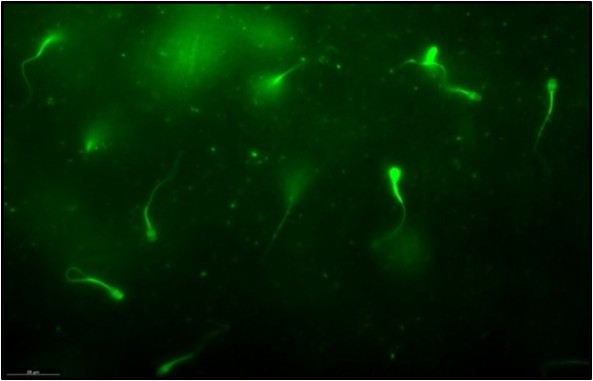
The University scientists are conducting the research to optimize the superior buck use in up-gradation of non-descript goats with seasonal fertility investigation and semen cryopreservation. The HPLC results showed no peak at the standard retention time of the BGP-15 compound, indicating that the analyte was not detected in the Barbari and Jamnapari buck semen. The addition of 100 µM and 80 µM BGP-15 in TCEYG semen extender yielded the best results for freezability in Barbari and Jamnapari buck spermatozoa, respectively. Further, the addition of 100 µM and 80 µM BGP-15 in TCEYG semen extender was found to cause less cryodamage in Barbari and Jamnapari buck spermatozoa in post-thaw semen, respectively. There was no detectable concentration of capric acid present with the suitable solvent system (Chloroform: Methanol - 9:1) in Sirohi and Jamnapari buck semen. The addition of 500 µM of capric acid in the TCEYG semen extender has found better freezability and cryo-survivability of Sirohi and Jamnapari buck spermatozoa due to less cryo-damage.
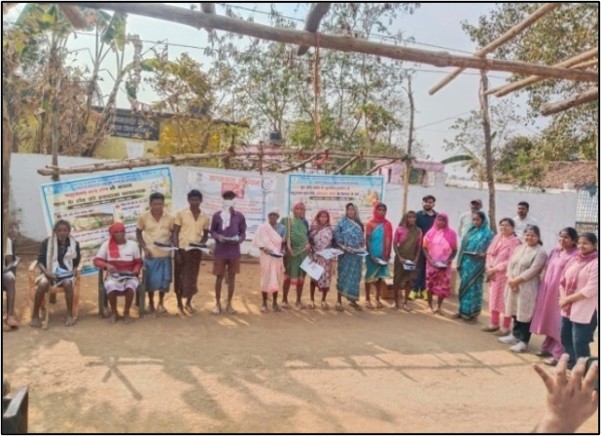
The principal investigators are conducting the survey to collect the data to identify tuberculosis cases among PVTGs, along with assessment of the health and socio-economic status of identified households in selected villages. A survey to identify PVTG households owning livestock, along with assessment of livestock health status in selected villages, is in progress. Collection of biological samples from representative livestock populations and preliminary screening for acid-fast bacilli (AFB)/Mycobacterium species is ongoing.
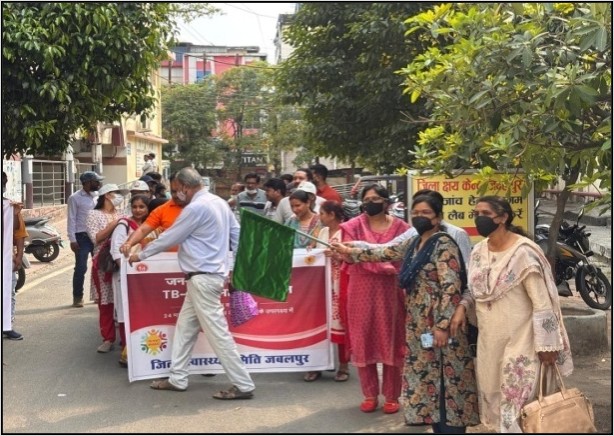
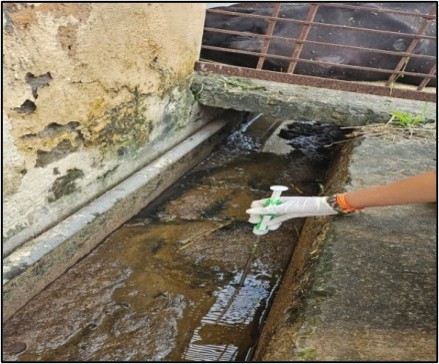
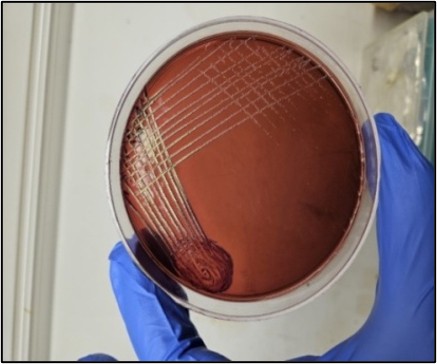
The University faculty is condcuting research to evaluate the therapeutic efficacy of Bacteriophage lysate cocktail as an alternate of antibiotics to control chronic mastitis in cattle. Sewage samples were collected from piggery and dairy farms for the isolation of bacteriophage to prepare phage lysate. Milk samples were collected from various dairy farms for screening of mastitis in animals with the help of California mastitis test. Performed the culture and identification of some microbes isolated from milk sample associated with mastitis. Some bacteriophage lysates were recovered. Screening of milk samples were done for confirmation of mastitis. Culture of milk samples for detection of some bacterial organism were performed.